
In today’s highly competitive and compliance-driven shipping industry, Charter Party (CP) and Laytime knowledge is no longer optional—it is a core operational skill. From shipbrokers and post-fixture operators to vessel owners and maritime students, professionals across the shipping value chain must understand CP clauses, laytime calculations, demurrage, and despatch to protect commercial interests and avoid costly disputes.
A CP & Laytime Online Learning Center bridges the critical gap between theoretical maritime education and real-world post-fixture operations, enabling professionals to gain hands-on, practical expertise that directly applies to daily shipping work.

Understanding CP & Laytime in Shipping
What is a Charter Party (CP)?
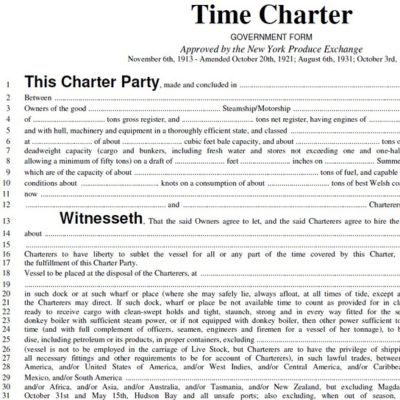
A Charter Party is a legally binding contract between a shipowner and a charterer that governs the terms and conditions of hiring a vessel. It defines commercial responsibilities, operational risks, and financial liabilities.
Key components of a Charter Party include:
- Type of charter (Voyage, Time, or Bareboat)
- Cargo details and ports
- Freight and payment terms
- Laytime and demurrage clauses
- Notice of Readiness (NOR)
- Exceptions and dispute resolution clauses
A strong understanding of CP clauses helps shipping professionals interpret contracts accurately and avoid disputes.
What is Laytime?
Laytime refers to the agreed time allowed for loading and discharging cargo without extra cost. If operations exceed this time, demurrage is payable; if completed early, despatch may apply.
Laytime calculations involve:
- Commencement and cessation of laytime
- Counting weather working days
- Handling exceptions and interruptions
- Interpreting CP wording accurately
Even minor errors in laytime calculations can lead to significant financial losses, making professional training essential.
Why CP & Laytime Knowledge is Critical in Post-Fixture Operations
Post-fixture operations are where commercial risks become real financial outcomes. Once a fixture is concluded, execution accuracy determines profitability.
Key challenges faced by post-fixture teams:
- Misinterpretation of CP clauses
- Incorrect NOR acceptance
- Errors in time counting
- Poor documentation handling
- Weak demurrage claim preparation
A structured CP & Laytime online learning center equips professionals to handle these challenges with confidence.
Who Should Enroll in a CP & Laytime Online Learning Center?
This specialized learning platform is designed for:
Shipping Professionals
- Vessel operators
- Chartering executives
- Claims handlers
- Operations managers
Post-Fixture Teams
- Laytime analysts
- Demurrage claim handlers
- Documentation executives
Shipbrokers
- Chartering brokers
- Post-fixture support teams
- Junior brokers seeking operational clarity
Maritime Students & Freshers
- Nautical science students
- Shipping and logistics graduates
- Aspiring chartering professionals
Benefits of an Online CP & Laytime Learning Center
An online learning center offers flexibility, practicality, and industry relevance that traditional classroom learning often lacks.
Key advantages include:
- Learn at your own pace
- Access real charter party case studies
- Practical laytime calculation exercises
- Industry-oriented training modules
- Cost-effective professional development
What You Will Learn in a CP & Laytime Online Course
A well-designed CP & Laytime learning program typically progresses from basics to advanced application.
1. Fundamentals of Charter Party
- Types of charter parties
- Common CP forms (GENCON, NYPE, ASBATANKVOY, etc.)
- Understanding clauses and rider clauses
- Commercial vs legal interpretation
2. Laytime Concepts Explained Simply
- Definition of laytime
- Commencement of laytime
- Working days vs weather working days
- Reversible and non-reversible laytime
3. Notice of Readiness (NOR)
- Valid NOR requirements
- Tendering and acceptance
- Impact of NOR errors
- Case-based examples
4. Laytime Calculation – Step by Step
- Time sheet preparation
- Port log analysis
- Exceptions and interruptions
- Final laytime statement preparation
5. Demurrage & Despatch Claims
- When demurrage applies
- Supporting documents required
- Claim preparation best practices
- Common mistakes to avoid
6. Practical Case Studies
- Real-life post-fixture scenarios
- Dispute-oriented examples
- Hands-on exercises
Why Online Learning is the Future for Maritime Training
The shipping industry operates across time zones and tight schedules. Online learning provides:
- Anytime, anywhere access
- Self-paced professional upskilling
- Continuous learning without job disruption
- Updated content aligned with industry practices
A CP & Laytime online learning center ensures professionals stay commercially sharp and operationally accurate.
SEO Value for Shipping Professionals and Companies
From an SEO perspective, a CP & Laytime learning platform naturally targets high-intent maritime keywords such as:
- CP & Laytime training
- Laytime calculation course
- Charter Party online course
- Post-fixture operations training
- Demurrage and despatch course
- Shipping operations online learning
This makes it ideal for shipping companies, maritime institutes, and professional service providers aiming to attract the right audience.
How CP & Laytime Training Enhances Career Growth
Professionals with strong CP & Laytime expertise:
- Command higher salaries
- Handle disputes confidently
- Add direct value to employers
- Transition easily into chartering and operations roles
For students and freshers, it provides a clear industry entry advantage.