
Our Services
Popular and in-demand

Beginner Level

Intermediate Level

Advanced Level
More Services

Dry Bulk Vesel - Laytime Calculation
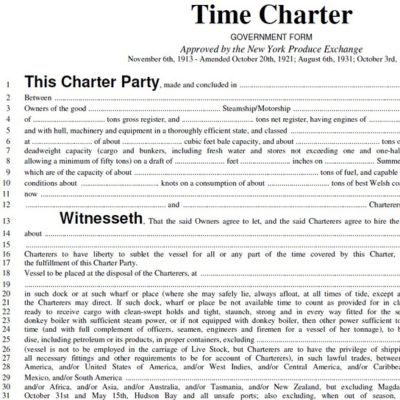
Time Charter Party - Drafting/Auditing
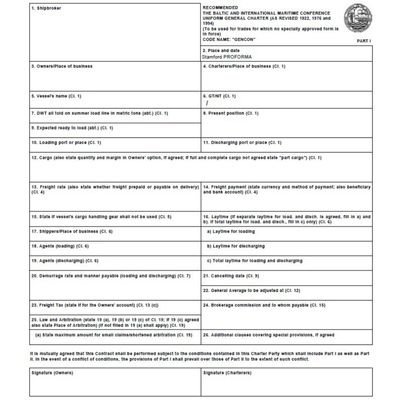
Voyage Charter Party - Drafting/Auditing

Tanker Vessel - Laytime Calculation
Complete Postfixture Operation
Frequently Asked Questions
Laytime in shipping is the specific, agreed-upon period in a charter party contract during which the charterer can load or unload cargo without extra cost; it starts after a Notice of Readiness (NOR) is given and ends when operations finish, with delays leading to penalties (demurrage) and time saved potentially earning rewards (dispatch) for the charterer, making it crucial for managing port time and costs.
In shipping, demurrage is a penalty fee paid by the charterer (cargo buyer/shipper) to the shipowner for delays beyond the agreed-upon time (laytime) for loading/unloading, while despatch (or dispatch money) is a bonus paid by the shipowner to the charterer for completing those operations faster than the agreed laytime
Do you know that most demurrage losses in shipping happen not because of operations, but because Charter Party clauses and laytime are misunderstood?
If you are working in shipping operations, chartering, or post-fixture—and still feel confused about laytime calculations—this is for you.
I want to share practical, real-life CP & Laytime knowledge that is usually not taught in books or classrooms.
In many shipping companies, I see one common problem.
Operators calculate laytime, but they are not confident.
Chartering teams agree to clauses, but don’t fully understand the impact.
And when claims come, companies lose money simply because the basics were not clear.
Most people know the terms—NOR, laytime, demurrage—but very few truly understand how to apply them practically.
A charter party is a legal contract in shipping between a shipowner and a charterer (hirer) for the use of a vessel, detailing terms for cargo/passenger transport, like duration, route, and payment. It defines rights and responsibilities, serving as the governing document for disputes, with common types including voyage (specific cargo/journey), time (set period, vessel control), and bareboat/demise (charterer takes full operational control) charters.